
Adaptive Sports and Art Programs: Recreational Activities for Adults With Disabilities
Finding the right recreational activities for adults with disabilities can open up far more than a fun way to spend an afternoon. The right program can build physical strength, create genuine friendships, and give someone a regular reason to look forward to the week ahead, rather than another appointment to get through.
This guide looks at adaptive sports, inclusive art and craft options, and how to find group or centre-based programs that actually suit the person taking part. It is written for participants, families, and support workers who want a practical starting point rather than a long list of theory, since most people just want to know where to actually begin.
What Are Adaptive Sports?
Adaptive sports take familiar games and adjust the rules, equipment, or format so people with different abilities can genuinely compete and enjoy them, rather than sitting on the sidelines. Common examples in Australia include wheelchair basketball, sitting volleyball, adapted tennis, para-athletics, and adaptive swimming or cycling.
Organisations such as Disability Sport & Recreation, Blind Sports Australia, and the Australian Paralympic Committee all support adaptive sports programs, alongside many local clubs and community sport centres. Some sports need very little adjustment at all, such as a grip aid or a visual cue, while others involve specialised equipment like a sports wheelchair. What suits one person will not suit another, so it is worth trying a few different options before settling on a regular activity, rather than assuming the first session you attend has to be the right fit.
Art and Craft Activities for Disability: Creative Recreation
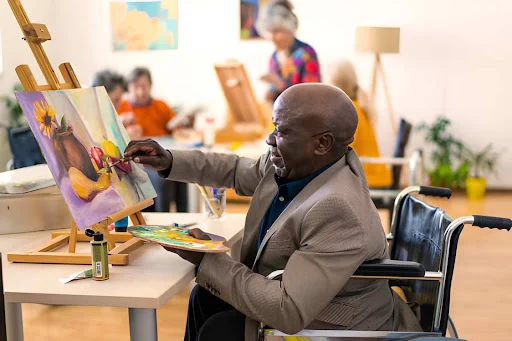
Not everyone wants a physical sport, and that is perfectly fine. Art and craft activities for disability offer a different kind of recreation, one built around creative expression rather than competition or fitness.
Inclusive art classes give people a genuinely non-judgemental space to try painting, pottery, textiles, or music, often at their own pace and without pressure to produce a particular result. For many participants, these sessions become just as valuable socially as they are creatively, since regular classes naturally bring the same group of people together week after week.
Some participants prefer the quieter, more predictable rhythm of an art or craft session over the energy of a sports program, and that is a completely valid choice. There is no single right way to spend recreational time, only what genuinely suits the person involved.
Finding Inclusive Sport Programs Near You
Inclusive sport programs exist in most areas, though they are not always easy to find without a bit of digging. Local councils, community centres, and disability-specific sporting organisations are usually the best starting point, and many can point you towards a trial session before committing to anything regular.
It is also worth asking about the Companion Card scheme in your state, which allows a support person to attend many venues and events for free alongside the participant. Getting there safely matters too, and assistance with transport can make the difference between an activity someone can realistically attend and one that quietly falls off the calendar after a few weeks.
Word of mouth is often underrated here as well. Other participants, support coordinators, and allied health professionals frequently know about smaller, less advertised programs that never show up in a general online search.
The Benefits of Recreation for Disability
Recreational activities offer far more than a fun way to spend time. They support physical health, emotional wellbeing, and meaningful social connections, helping people with disability lead more active and fulfilling lives.
- Improves physical health by supporting cardiovascular fitness, strength, flexibility, and overall mobility.
- Supports mental wellbeing by helping reduce stress, anxiety, and low mood through regular physical and social activity.
- Encourages social connection by creating opportunities to meet new people and build lasting friendships.
- Builds confidence and independence through learning new skills, achieving personal goals, and participating in enjoyable activities.
- Creates a sense of belonging by becoming part of clubs, classes, or community groups with shared interests.
- Delivers multiple benefits at once, combining fitness, social engagement, and personal development in a single activity.
The right recreational activity can improve quality of life in many ways. Whether it’s joining a sports team, attending an art class, or participating in a community group, regular involvement helps support long-term health, confidence, and social inclusion.
Group and Centre-Based Activities: A Great Starting Point
For many people, group-based activities in Melbourne are one of the easiest ways to start exploring recreation, since a support worker or program coordinator is already there to help everyone settle in.
These settings tend to feel less intimidating than joining an unfamiliar mainstream club alone, particularly for someone trying a new activity for the first time. Once confidence builds in a group setting, some participants choose to move on to more independent or mainstream options, while others are perfectly happy staying with the group they have come to know well over time.
Does NDIS Funding Cover Recreational Activities?
In many cases, yes, though usually for the support needed to participate rather than the activity itself. NDIS Core funding can often cover a support worker attending with you, transport to and from the activity, or community participation support more broadly.
Club memberships, entry fees, and equipment you would need regardless of disability are generally not covered, so it is worth checking with your plan manager or support coordinator about what specifically applies to your situation before committing to a program. A quick conversation before you sign up can save some awkward surprises later.
How Ability Support Plus Can Help
At Ability Support Plus, we help participants explore recreational activities that genuinely suit their interests and goals, whether that is an adaptive sport, an art class, or a regular group program. Our support workers can attend alongside you, help with transport, and make the whole experience feel far less daunting than trying to figure it out alone.
If you would like help finding the right recreational activities for adults with disabilities in your family or life, get in touch with our team today.