
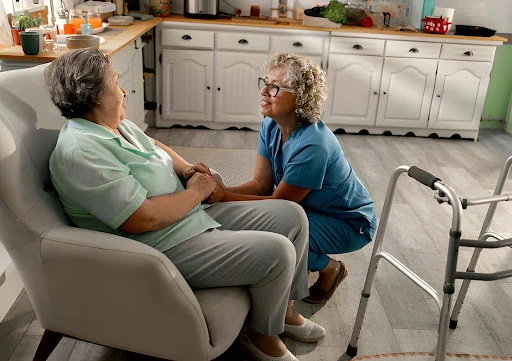
In-Home Nursing Care for Elderly Parents: How It Works Alongside Home Care
As parents age, the support they need often shifts from simple help around the house to something more clinical: managing medications properly, caring for a wound, or monitoring an ongoing health condition. In home nursing care for elderly parents exists precisely to cover this gap, working alongside everyday home care rather than replacing it.
This guide explains what in-home nursing actually involves, how it differs from personal care, and where to find it in Melbourne. Understanding the difference early can save families a lot of confusion when a parent’s needs start to genuinely shift.
In-Home Nursing Care for Elderly Parents: What It Actually Involves
In home nursing care for elderly parents means clinical support delivered by a registered or enrolled nurse, in the person’s own home, rather than requiring a trip to a clinic or hospital for routine care. This can range from a quick weekly visit to check a wound to more regular support for someone managing a complex, ongoing health condition.
The goal is to help someone stay safely and comfortably at home for longer, receiving genuinely clinical care in a familiar environment rather than being pushed toward residential care sooner than necessary. For many families, this kind of support makes staying at home a realistic option, rather than something attempted without the right clinical backup.
Community Nursing vs Personal Care: What’s the Difference?
Community nursing vs personal care is a distinction worth understanding clearly, since the two are often confused despite being quite different. Personal care, showering, dressing, help with meals, mobility support, is delivered by a support worker and does not require a nursing qualification.
Community or clinical nursing, by contrast, involves tasks that specifically require a registered or enrolled nurse: wound management, medication administration, continence care, and monitoring conditions like diabetes. Many families need both types of support running alongside each other, coordinated so that nothing falls through the gap between the two.
Neither type of support is more important than the other; they simply cover different needs. A parent might need daily personal care but only a weekly nursing visit, or the reverse, depending entirely on their specific situation.
Clinical Care at Home for Older Adults: What’s Typically Included
Clinical care at home for older adults generally covers a defined set of nursing tasks: wound care, medication management, continence and catheter care, diabetes monitoring, and general health assessments delivered in the home. A nurse will typically also liaise directly with a GP or specialist when something needs following up.
This kind of care is genuinely different from a casual check-in. It follows proper clinical documentation and handover processes, the same standards you would expect in a hospital or clinic setting, just delivered in a more comfortable, familiar environment. This documentation also matters if care needs change quickly, since a clear record helps the next nurse or GP pick up exactly where things stand.
Wound and Continence Care at Home
Wound and continence care at home are two of the most common reasons families first look into in-home nursing. Wounds that are slow to heal, particularly for older adults with reduced circulation or diabetes, often need regular, professional dressing changes and monitoring for signs of infection that a family member cannot reasonably be expected to assess on their own.
Continence care is similarly specialised, covering everything from catheter management to broader continence support delivered with dignity and privacy in mind. Getting this right matters enormously for someone’s comfort and confidence, not just their physical health. Many families find this is also one of the areas where professional support relieves the most emotional strain, since these tasks can feel deeply uncomfortable for both a parent and an adult child to manage together.
Medication Management for Elderly Parents
Medication management elderly parents often need becomes considerably more complicated once several prescriptions are involved, which is common among older adults managing multiple health conditions at once. A nurse can help organise medications into a clear system, such as a Webster or blister pack, and monitor for interactions or side effects that might otherwise go unnoticed.
This kind of oversight reduces the real risk of missed doses or accidental double-dosing, which becomes a genuine safety concern as the number of medications increases. Families often find real peace of mind simply knowing a professional is keeping an eye on this rather than managing it entirely alone, particularly when medications change frequently after a hospital visit or specialist appointment.
Hospital to Home Nursing Support
Hospital to home nursing support plays a genuinely important role in the period right after a hospital stay, when the risk of a setback or readmission is highest. A nurse can continue wound care, monitor recovery, and manage medications that may have changed significantly during the hospital admission.
This kind of support often works alongside formal programs like the Transition Care Programme or the Restorative Care Pathway, filling in the clinical gaps between structured episodes of care and simply getting on with everyday life at home. Getting nursing support arranged before discharge, rather than scrambling afterward, tends to make those first few vulnerable weeks considerably smoother.
Finding the Support at Home Program in Melbourne
The Support at Home program in Melbourne is the main funding pathway for accessing this kind of nursing care, since it consolidated the old Home Care Package system into a single, needs-based model that includes clinical care alongside personal support. Registered nursing, wound care, medication management, and continence support are all explicitly covered under this program.
How Ability Support Plus Can Help
Ability Support Plus primarily supports NDIS participants rather than delivering aged care nursing directly, but many of our participants are also navigating aged care for a parent at the same time. Our community participation and daily living support can help family members balance their own support needs while caring for an ageing parent, so one part of the family’s needs does not quietly get pushed aside while the other is being managed.
If you are trying to work out what kind of support your family needs, whether that is for yourself or a parent needing in home nursing care for elderly relatives, get in touch with our team and we can help point you in the right direction.