
Living Independently with NDIS Daily Supports
Have you ever wondered what true independence looks like when you have the right support system in place? Having freedom and control over how you live your life is what independence means to many Australians with disabilities. It’s not about doing everything by yourself. The National Disability Insurance Scheme (NDIS) offers a crucial funding type called “NDIS daily living support” to help you make your goals a reality. These supports are the building blocks of a more independent life, whether you need help with your morning tasks or help learning new skills.
Understanding NDIS Daily Living Support
NDIS daily living support, or “Assistance with Daily Life”, is money given to you to help you do things you can’t do alone due to your condition. This is flexible, day-to-day funding, not like other types of funds that might be used for one-time therapy or equipment. It’s meant to make sure your basic needs are met so you can focus on having a life that matters to you.
Hands-On Assistance with Daily Activities
A critical way that NDIS funding supports freedom and well-being is by assisting with daily activities.
- Personal Care Support: Participants stay clean and comfortable by getting help with cleaning, dressing, grooming, and going to the bathroom.
- Respectful Help: Support workers treat individuals with care, respect, and sensitivity, always keeping their privacy in mind.
- Safe Routines: Getting help makes sure that jobs are done safely, which lowers the risk of getting hurt and boosts confidence.
- Daily Readiness: With this help, people can feel ready, at ease, and ready to go when they wake up.
NDIS Home Support Services for a Tidy Environment
NDIS home support services help people keep their homes safe, comfortable, and easy to handle. This lowers stress and encourages independence.
Help with Household Tasks
Support workers can help with household tasks like cleaning, laundry, changing sheets, washing dishes, and other hard-to-do daily tasks around the house.
Garden and Outdoor Help
Some service providers can handle basic garden care, such as mowing, watering plants, and clearing paths, to keep your home safe and welcoming.
Lessen Stress and Fatigue
When people outsource their jobs, they save time and energy that they can spend on hobbies, work, or social activities.
Safe and Organised Living
Getting regular home help makes sure that your space is clean, safe, and comfy, which is good for your health and your ability to live on your own.
As a whole, NDIS home support services make daily life easier to manage, allowing participants to live happily, comfortably, and with greater time freedom.
Meal Preparation and Nutrition
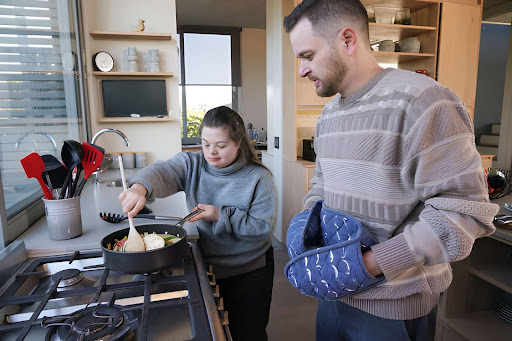
Making healthy meals is important for staying healthy, but many people find it hard to do so. Someone who works for your support group can help you plan meals, shop for food, and cook with your support funds. This helps make sure that your health needs are met, whether it’s cooking in bulk for the week or helping you chop food so that you can cook together.
Building Capacity with Life Skills Training
Life skills programmes are meant to teach you how to do things instead of “doing them for you.” With your grant money, you can work with a support worker or mentor who can teach you how to make a budget, use public transportation, or keep track of your meetings. Over time, this training makes you less dependent on paid help.
Tailored Disability Living Support
The NDIS’s disability living support is flexible, so services can be made to fit the needs and lifestyles of each participant.
- Individualised Support: Each person can pick the kind of help they need, when they need it, and how strong it is.
- Flexible Scheduling: You may get intensive help in the mornings and do things on your own at night.
- Provider Choice: Participants can choose who helps them, making sure that they are comfortable and compatible.
- Lifestyle Integration: Customised routines let you set up support that fits your goals, lifestyle, and daily tastes.
Support for Community Participation
It’s more than just taking care of daily tasks at home when you live on your own. It’s also about being involved, connected, and part of your community.
Access to the Community
Your daily living budget can help you go to social clubs, libraries, leisure activities, or events in your area that interest you.
Accompanied Support
Support workers can go with you to ensure you can engage safely, with confidence, and without worry or problems.
Combat Isolation
Regularly participating in community events can help you feel less alone, make new friends, and strengthen your social networks.
Participation
Being active outside of the home helps with independence, personal growth, and finding a reason in life, which is good for your overall health.
Independent Living Support vs. SIL
There are different types of core supports, such as Supported Independent Living (SIL), which help people live on their own. Independent living support is for people who may live in their home but need drop-in help with daily tasks. SIL is for people who need 24/7 supervision and often live in shared houses. If you know the difference, you can make sure you apply for the right kind of housing aid.
Managing Your Core Budget Flexibility
One great thing about NDIS daily living support is that it can be changed to fit the core budget. This type of money is usually not “quarantined”, which means you can move it between categories like self-care help, social activities, and food and drinks as your needs change throughout the year. In this way, you can change your support if your situation changes without warning.
Conclusion
You can live alone without doing everything yourself; you just need to set up the right processes. You can make a routine that puts your health, safety, and independence first by making the most of your NDIS daily living support funds. You can get hands-on help with personal care or learn new skills. These aids are the first steps to a more independent future. Carefully review your plan, get in touch with the right service providers, and make sure every dollar you spend helps you reach your unique goal of independence.