
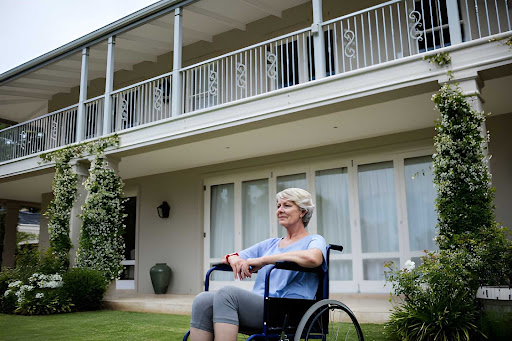
A Guide to NDIS Home Modifications Support
Have you ever wondered how your home can be adapted to better suit your needs as a person with a disability? The National Disability Insurance Scheme (NDIS) provides funding and support to make homes safer, more accessible, and more comfortable. NDIS home modifications empower participants to live independently, reducing risks and improving daily life.
From small adjustments like grab rails and ramps to major structural changes such as accessible bathrooms and widened doorways, these modifications are tailored to individual needs. With the right planning and professional support, your home can become a space that truly supports your mobility, safety, and overall quality of life.
Understanding NDIS Home Modifications
The National Disability Insurance Scheme is really helpful for people who need to make their homes better for them. They do things to their home, which are called NDIS home modifications, to make it easier to move and do things they need to do. They can be special things, like devices and equipment that help people with the National Disability Insurance Scheme do everyday things like taking a bath or cooking a meal.
These changes are made to help people be independent, safe and comfortable. The modifications are based on what each person needs. The goal of these modifications is to support independence, safety and comfort for each participant.
Home Modification Funding
The NDIS home modifications have an important part, which is the home modification funding. This money helps pay for things, like renovations and installations and adjustments that are made for the person who needs them. The NDIS home modifications are done so that the home is a place that is easy to use. The home modification funding is what makes it possible for people to get the NDIS home modifications they need.
When it comes to funding, the people in charge make decisions after they look at everything. They want to make sure that any changes that are going to be made are reasonable and necessary. These changes also have to be in line with what the NDIS is trying to achieve. The main thing is that the changes have to fit with the NDIS goals.
Bathroom Modifications
The bathroom is really important to a lot of people when it comes to making changes. Bathroom modifications NDIS are things like walk-in showers and grab rails. You can also get slip flooring and fixtures that can be adjusted to different heights. These things help stop accidents from happening and make it easier for people to take care of themselves. Bathroom modifications NDIS are about helping people be more independent when they are getting ready or using the bathroom. These changes can significantly reduce the risk of falls and make daily routines easier and more dignified.
Accessible Living Spaces
The National Disability Insurance Scheme helps people make changes to their homes. They want to make sure that people with disabilities can get around their homes easily. This means making doorways wider and putting in ramps. They also use special door handles that are easy to open. All of this helps people with disabilities move around their NDIS homes without anything getting in their way. NDIS home modifications are really important for making homes accessible.
Equipment & Aids
NDIS-covered tools help people handle everyday tasks without hassle, staying safe while doing it on their terms so they keep control at home. These items make life smoother through practical solutions tailored just right for each person’s needs.
Hoists Support
Hoists help move people from bed to chair or wheelchair without hassle. They ease pressure on carers while keeping patients secure during shifts. These tools cut the risk of harm by supporting smooth transitions.
Adjustable Beds
Electric or adjustable beds boost comfort, help with body alignment and also enhance rest quality while aiding health issues and movement challenges.
Accessible Furniture
Mobility-friendly furniture helps people handle daily activities better, supporting smooth movement, sitting safely, or getting up without worry.
Daily Living Aids
Extra gadgets like grab handles or assistive gear boost security while working alongside current home upgrades.
These aids team up to boost ease and lower chances of trouble while helping you do daily stuff on your own.
Occupational Therapy Support
NDIS occupational therapy helps make home changes that fit real-life needs—safe setups come through careful planning while matching routines people rely on.
- Individual Assessments: Occupational therapists check how people move, their everyday habits, and also the spaces they live in. This helps spot challenges and figure out what kind of help works best.
- Tailored Recommendations: Experts suggest tailored changes, like adding ramps or updating bathrooms, depending on daily needs and physical limits.
- Goal Alignment: All changes aim to boost self-reliance, protect wellbeing, and also match what the person needs down the road.
- Ongoing Guidance: Therapists give tips while changes happen and also later, so things keep working when life shifts.
This help makes sure changes at home boost self-reliance while improving security along with daily use.
Housing Support Coordination
If you are looking for housing support NDIS programs can really help you make changes to your home, deal with the people who do the work, and make sure everything works together The NDIS programmes can help you make changes to your home, deal with the people who do the work and make sure everything works together. This makes it easier for you to get your home set up the way you need it to be. The NDIS programs do this so that you have an easy time making your home a better place for you to live in.
Safety and Risk Reduction
The National Disability Insurance Scheme home modifications are also made to reduce the risk of accidents at home. The National Disability Insurance Scheme home modifications can include things like fall prevention measures. These changes also include fire safety adjustments. All of these changes create an environment for National Disability Insurance Scheme participants and their families.
Planning and Personalised Solutions
NDIS home changes get thought through properly, so they fit what you need, aim for your goals, or match how you live.
Individual Planning
Each review looks at how well someone moves, their usual habits, and also the way their house is set up so it finds what changes work best.
Therapist Collaboration
Occupational therapists help pick choices that boost safety while building self-reliance along with everyday skills.
Builder Coordination
Skilled construction professionals team up with health specialists, making sure changes are done right while meeting set rules.
Long-Term Focus
Thinking ahead helps changes stay useful or helpful later on so they actually work when needed down the road because foresight makes a real difference.
This custom method keeps home changes practical while fitting real daily needs, making them last without hassle.
Enhancing Independence and Quality of Life
NDIS home modifications are really helpful for participants because they get to keep their independence. They feel confident and in control of their life. NDIS home modifications do this by making changes to the home and adding equipment. They also give participants support. This means participants have a home that really works for them and helps them do what they want to do. NDIS home modifications are all about making sure participants can live the life they want.
Conclusion
From home modification funding to bathroom modifications NDIS and equipment & aids, the NDIS offers comprehensive support for making homes safe and accessible. By investing in NDIS home modifications, participants gain greater independence, improved safety, and a better quality of life. These tailored changes not only support daily activities but also empower individuals to live more confidently and comfortably in their own homes.