
NDIS Complex Support Needs Funding
Many people who live with significant disabilities need more than basic daily assistance. They may require medical care, behaviour support, or help from multiple professionals. This is where complex support needs NDIS funding becomes important. It allows participants to access higher levels of support that match the reality of their daily challenges.
Families often feel confused when they first hear about this funding. They may ask questions like: What type of support does the NDIS actually fund? How do you prove that someone needs complex support? What services are included? Understanding how the system works helps participants use their plan more properly and avoid common problems during plan reviews.
What Does Complex Support Funding Mean in the NDIS?
NDIS plans normally include support categories such as daily assistance, community participation, or therapy. However, some participants require far more intensive care. These situations involve medical risks, behavioural challenges, or ongoing clinical monitoring.
Funding under complex supports needs NDIS usually applies when a participant:
- Requires frequent or specialised medical care
- Needs behaviour support from trained professionals
- Relies on multiple services working together
- Has high risks if support is not provided properly
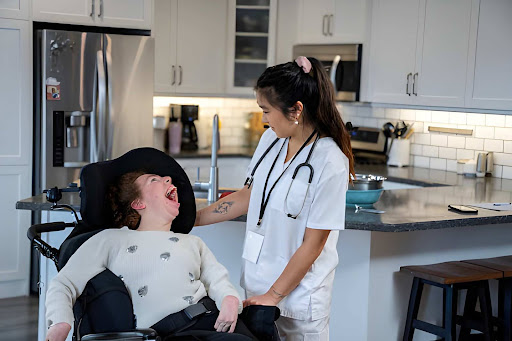
For example, a participant with severe cerebral palsy may need assistance with breathing equipment, feeding support, and mobility support. Another participant with autism may need behaviour intervention and structured therapy programs to manage aggressive behaviour.
In these situations, standard disability support services may not be enough. The NDIS recognises this and allocates funding for more specialised support.
Understanding High Intensity Supports in Daily Care
Some participants need direct assistance with medical or health-related tasks during everyday activities. These are called high intensity supports.
Support workers who provide these services usually need additional training. They must understand the participant’s medical condition and know how to respond safely.
For instance, a child with severe epilepsy may require workers who know how to monitor seizure patterns and respond quickly when a seizure occurs. Without trained staff, the risk to the participant increases significantly.
Always Remember: Families sometimes assume these supports will automatically appear in the NDIS plan. In reality, participants must provide medical documentation explaining why trained support workers are necessary.
Why Specialist Coordination Becomes Important
Participants with higher support needs often work with several providers at the same time. They might receive therapy, daily support, behavioural support, and medical services. Managing all of this can feel overwhelming. A specialist coordinator helps organise services and make sure providers communicate with each other. They also assist families during major changes such as hospital discharge, housing transitions, or crises.
Imagine a participant who is moving from the hospital into supported accommodation. The coordinator may need to arrange medical equipment setup, support worker training, therapy services, housing support, and risk management plans. Without coordination, services can easily overlap, or important tasks may be missed.
When Specialist Support Coordination Is Needed?
This type of coordination usually applies in situations such as:
- Participants involved with multiple government systems
- People leaving the hospital or correctional facilities
- Housing crises or homelessness risk
- Participants experiencing severe behavioural challenges
Behaviour Intervention Funding and When It Applies
Behavioural challenges can sometimes create safety risks for participants or the people around them. These behaviours can include aggression, self-harm, property damage, or severe emotional distress. NDIS provides behaviour intervention funding to address these situations through structured support programs. A behaviour practitioner usually begins with a detailed assessment. They examine triggers, environmental factors, and communication challenges that may contribute to the behaviour.
After the assessment, they create a behaviour support plan that may include:
- Support worker strategies: Clear guidance for managing challenging situations safely
- Environmental adjustments: Changes at home, school, or community settings to reduce triggers
- Skill development programs: Teaching coping skills and emotional regulation techniques
- Communication strategies: Helping participants express needs more effectively
Families sometimes worry that behaviour support plans will feel restrictive. In practice, the goal is to reduce restrictions and help participants feel safer.
How Behaviour Supports Help Manage Risk
NDIS plans sometimes include structured NDIS Behaviour supports to help participants develop safer coping strategies. These supports focus on understanding the reasons behind challenging behaviour rather than simply reacting to it.
Common strategies include:
- Identifying triggers and early warning signs
- Teaching communication alternatives
- Adjusting environments that cause stress
- Training support workers in positive behaviour strategies
Clinical Disability Supports for Medical and Therapeutic Care
Many people who qualify for complex supports needs require direct involvement from clinical professionals. These supports can include services from different types of therapists and nurses. These professionals assess the participant’s condition and recommend therapies or interventions that improve daily functioning.
Clinical involvement also helps provide evidence during NDIS plan reviews. Reports from professionals explain how services benefit the participant and why continued funding is necessary.
The Role of NDIS Care Planning
Support services work best when everyone follows a clear plan.
Care planning usually involves several steps:
- Assessment of needs: Professionals evaluate the participant’s condition and daily challenges.
- Goal setting: Participants identify what they want to achieve.
- Support planning: Providers decide which services will help reach those goals.
- Risk management: Teams identify potential safety issues and develop response strategies.
Disability Services That Support Participants with Higher Needs
Participants who require more intensive assistance often rely on disability services for complex needs. These providers specialise in supporting people who require multiple layers of care.
These services may include:
- 24-hour supported accommodation
- Behaviour support programs
- Intensive therapy services
- Crisis response teams
- Community participation programs
Providers in this area usually train their staff extensively because the work involves greater responsibility and risk.
Common Mistakes Families Make When Applying
Many families struggle to secure the correct funding because they do not present enough evidence.
Some common mistakes include:
- Relying only on personal explanations: Families often describe their challenges but do not provide clinical reports. The NDIS usually requires professional evidence.
- Not documenting daily risks: Participants with complex needs often face safety risks such as choking, seizures, or behavioural crises. These risks must be clearly documented.
- Underestimating support hours: Families sometimes request fewer support hours because they worry about appearing demanding. This can result in underfunded plans.
- Lack of coordination between providers: When therapists, doctors, and support workers submit reports independently without coordination, the NDIS may struggle to understand the full picture.
Clear documentation and professional reports significantly improve the chances of receiving appropriate funding.
How Ability Support Plus Supports Participants with Complex Needs
At Ability Support Plus, we collaborate with our participants (e.g., individuals requiring more complex support through the NDIS). We support clients with medical needs, behavioural challenges, or where multiple services need to coordinate. Our emphasis is on providing practical assistance that fits daily life. This may involve coordinating services or helping families understand how to use their plan effectively.